






Cat. No:GM-87353MAB
Product:Anti-IL17A hIgG1 Reference Antibody (Secubio)






Cat. No:GM-87353MAB
Product:Anti-IL17A hIgG1 Reference Antibody (Secubio)
GM-87353MAB-1mg / 1 mg
GM-87353MAB-5mg / 5 mg
GM-87353MAB-25mg / 25 mg
GM-87353MAB-50mg / 50mg
GM-87353MAB-100mg / 100 mg
Expression System CHO
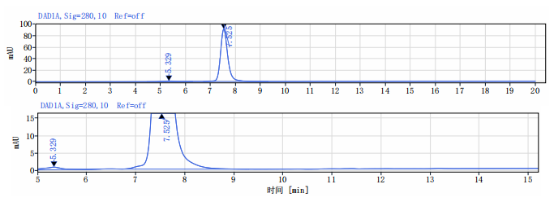
Aggregation < 5% as determined by SEC-HPLC
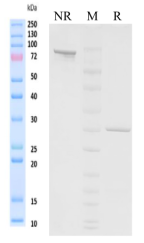
Purity > 95% as determined by SDS-PAGE
Endotoxin < 1 EU/mg, determined by LAL gel clotting assay
Sterility 0.2 μm Filtered
Target IL17A
Clone Secukinumab
Alternative Names CTLA-8, CTLA8, IL-17, IL-17A, IL17, ILA17
Source/Isotype Human IgG1(REEM), Kappa
Application /
Description This gene is a member of the IL-17 receptor family which includes five members (IL-17RA-E) and the encoded protein is a proinflammatory cytokine produced by activated T cells. IL-17A-mediated downstream pathways induce the production of inflammatory molecules, chemokines, antimicrobial peptides, and remodeling proteins. The encoded protein elicits crucial impacts on host defense, cell trafficking, immune modulation, and tissue repair, with a key role in the induction of innate immune defenses. This cytokine stimulates non-hematopoietic cells and promotes chemokine production thereby attracting myeloid cells to inflammatory sites. This cytokine also regulates the activities of NF-kappaB and mitogen-activated protein kinases and can stimulate the expression of IL6 and cyclooxygenase-2 (PTGS2/COX-2), as well as enhance the production of nitric oxide (NO). IL-17A plays a pivotal role in various infectious diseases, inflammatory and autoimmune disorders, and cancer. High levels of this cytokine are associated with several chronic inflammatory diseases including rheumatoid arthritis, psoriasis and multiple sclerosis.
Formulation Phosphate-buffered solution, pH 7.4.

Cat. No:GM-87353MAB
Product:Anti-IL17A hIgG1 Reference Antibody (Secubio)
Cat. No:GM-87353MAB
Product:Anti-IL17A hIgG1 Reference Antibody (Secubio)
GM-87353MAB-1mg / 1 mg
GM-87353MAB-5mg / 5 mg
GM-87353MAB-25mg / 25 mg
GM-87353MAB-50mg / 50mg
GM-87353MAB-100mg / 100 mg
GM-87353MAB-1mg / 1 mg
GM-87353MAB-5mg / 5 mg
GM-87353MAB-25mg / 25 mg
GM-87353MAB-50mg / 50mg
GM-87353MAB-100mg / 100 mg
Expression System CHO
Aggregation < 5% as determined by SEC-HPLC
Purity > 95% as determined by SDS-PAGE
Endotoxin < 1 EU/mg, determined by LAL gel clotting assay
Sterility 0.2 μm Filtered
Target IL17A
Clone Secukinumab
Alternative Names CTLA-8, CTLA8, IL-17, IL-17A, IL17, ILA17
Source/Isotype Human IgG1(REEM), Kappa
Application /
Description This gene is a member of the IL-17 receptor family which includes five members (IL-17RA-E) and the encoded protein is a proinflammatory cytokine produced by activated T cells. IL-17A-mediated downstream pathways induce the production of inflammatory molecules, chemokines, antimicrobial peptides, and remodeling proteins. The encoded protein elicits crucial impacts on host defense, cell trafficking, immune modulation, and tissue repair, with a key role in the induction of innate immune defenses. This cytokine stimulates non-hematopoietic cells and promotes chemokine production thereby attracting myeloid cells to inflammatory sites. This cytokine also regulates the activities of NF-kappaB and mitogen-activated protein kinases and can stimulate the expression of IL6 and cyclooxygenase-2 (PTGS2/COX-2), as well as enhance the production of nitric oxide (NO). IL-17A plays a pivotal role in various infectious diseases, inflammatory and autoimmune disorders, and cancer. High levels of this cytokine are associated with several chronic inflammatory diseases including rheumatoid arthritis, psoriasis and multiple sclerosis.
Formulation Phosphate-buffered solution, pH 7.4.
Expression System CHO
Aggregation < 5% as determined by SEC-HPLC
Purity > 95% as determined by SDS-PAGE
Endotoxin < 1 EU/mg, determined by LAL gel clotting assay
Sterility 0.2 μm Filtered
Target IL17A
Clone Secukinumab
Alternative Names CTLA-8, CTLA8, IL-17, IL-17A, IL17, ILA17
Source/Isotype Human IgG1(REEM), Kappa
Application /
Description This gene is a member of the IL-17 receptor family which includes five members (IL-17RA-E) and the encoded protein is a proinflammatory cytokine produced by activated T cells. IL-17A-mediated downstream pathways induce the production of inflammatory molecules, chemokines, antimicrobial peptides, and remodeling proteins. The encoded protein elicits crucial impacts on host defense, cell trafficking, immune modulation, and tissue repair, with a key role in the induction of innate immune defenses. This cytokine stimulates non-hematopoietic cells and promotes chemokine production thereby attracting myeloid cells to inflammatory sites. This cytokine also regulates the activities of NF-kappaB and mitogen-activated protein kinases and can stimulate the expression of IL6 and cyclooxygenase-2 (PTGS2/COX-2), as well as enhance the production of nitric oxide (NO). IL-17A plays a pivotal role in various infectious diseases, inflammatory and autoimmune disorders, and cancer. High levels of this cytokine are associated with several chronic inflammatory diseases including rheumatoid arthritis, psoriasis and multiple sclerosis.
Formulation Phosphate-buffered solution, pH 7.4.