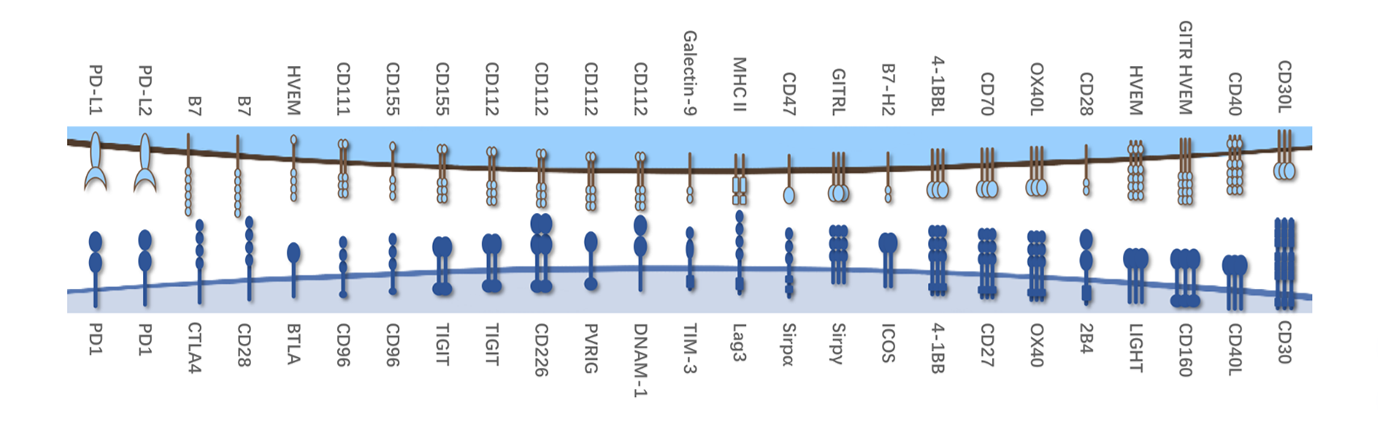
Immune checkpoints play a central role in regulating immune activation and maintaining immune balance. By controlling the intensity of immune responses, these pathways help prevent excessive immune activity. However, tumors can exploit inhibitory checkpoint mechanisms to suppress T-cell function and evade immune surveillance, making immune checkpoint pathways important targets in modern immunotherapy research.
Our immune checkpoint stable cell lines are engineered to support reliable, efficient research from target evaluation to functional validation. Pre-validated and readily available from stock, each cell line is supported by comprehensive QC documentation to help researchers access verified cell systems with greater confidence. Designed for consistent performance across immune checkpoint screening and assay workflows, these ready-to-deploy solutions help reduce sourcing uncertainty, streamline project planning, and support pharmaceutical and biotechnology teams in moving immune checkpoint research forward without unnecessary delays.
| Why Choose Our Immune Checkpoint Cell Lines? | What You Can Do With These Cell Lines? |
| Ready-to-Use & Available from Stock | Immune Checkpoint Target Validation |
| Pre-engineered immune checkpoint cell lines with ready availability help minimize lead times and accelerate research workflows. | Evaluate checkpoint pathway activity and investigate target biology in controlled cellular systems. |
| Pre-Validated with Comprehensive QC | Functional Screening of Therapeutic Candidates |
| Each cell line undergoes rigorous quality control evaluation to ensure consistent performance and reliable experimental outcomes. | Support screening and characterization of immune checkpoint inhibitors, antibodies, and other immunotherapeutic molecules. |
| Stable & Reproducible Performance | Mechanism of Action (MoA) Studies |
| Engineered for stable expression and functional consistency, supporting reliable results across screening and validation assays. | Analyze pathway modulation, receptor-ligand interactions, and downstream signaling responses. |
| Supporting Faster Drug Discovery Decisions | |
| Well-characterized cell models help researchers efficiently evaluate immune checkpoint biology and therapeutic candidates. |





| Product No. | Product Name | Gene | Pre-order/order |
|
Signaling Pathway |
Stability |
|
|
|
|
The H_PD1 SHP1 Reporter Jurkat Cell line (GM-C42135) response to anti-PD-1 agonist antibody |
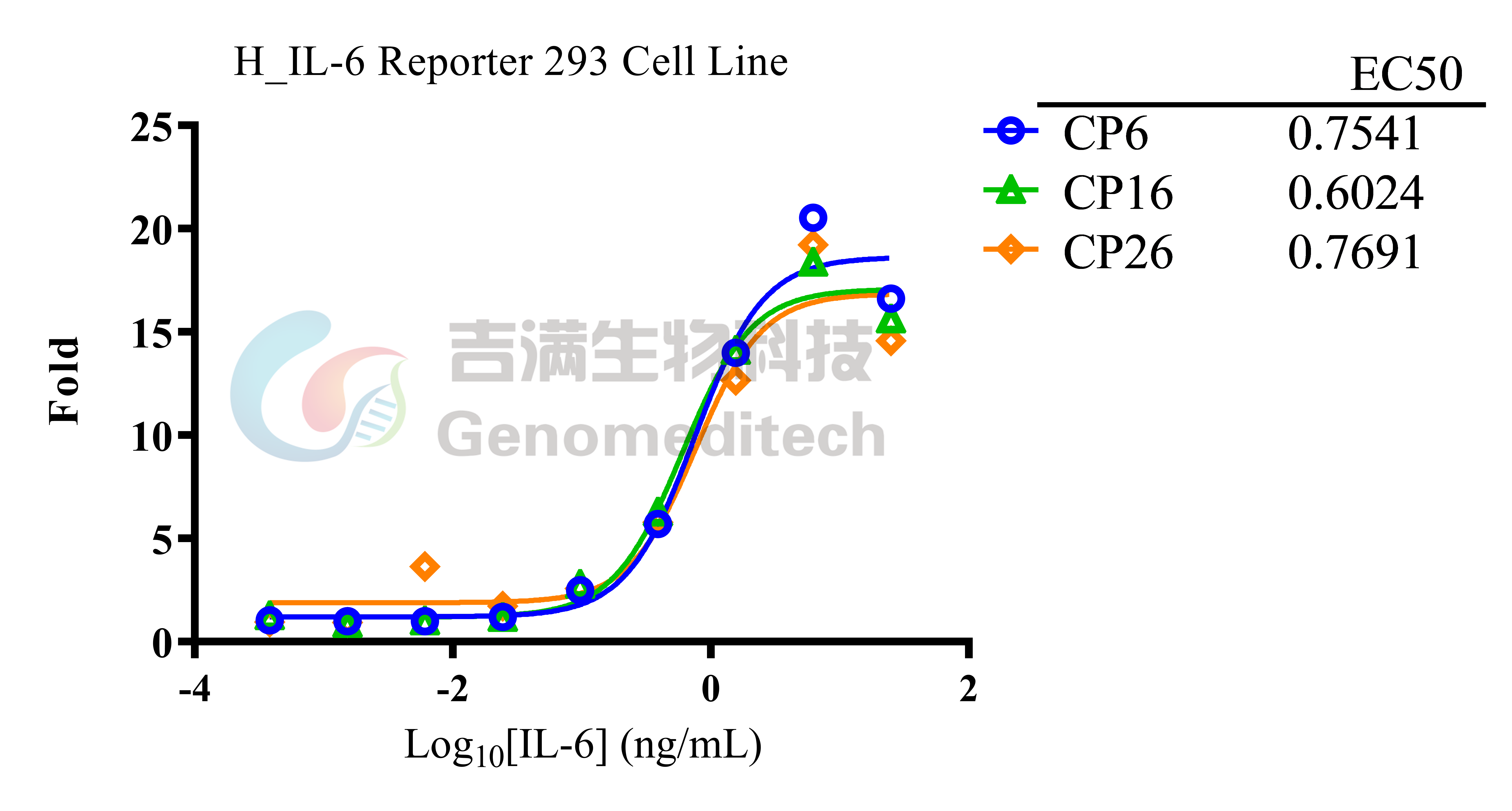
The passaging stability of H_IL-6 Reporter 293 Cell Line (Cat. GM-C01951) response to Recombinant Human IL-6. |
|
|
|
|
Applications |
Expression |
|
|
|
|
The H_OX40 Reporter DDX35™ Cell Line (GM-C36735) response to Anti-OX40L hIgG4 Antibody. |
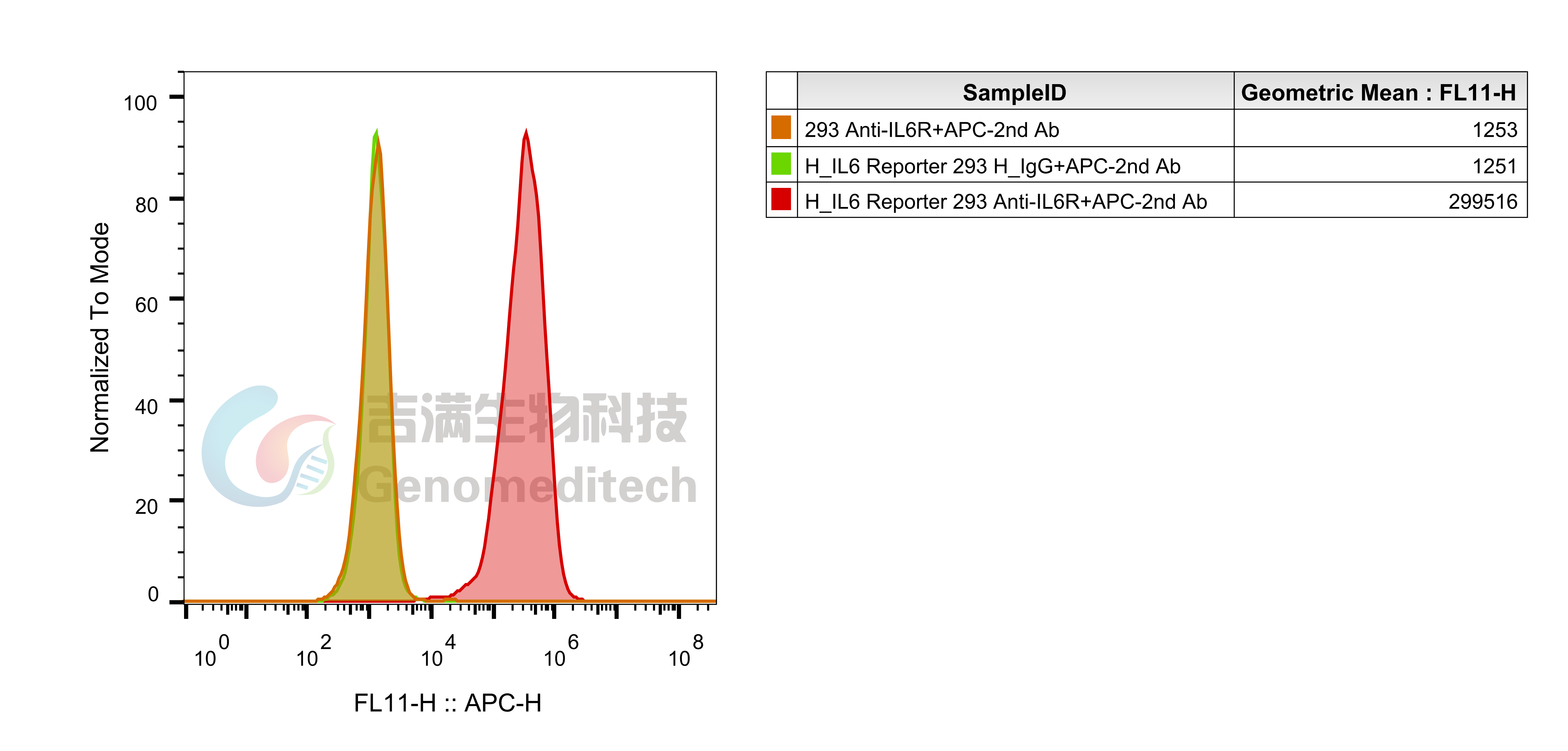
H_IL-6 Reporter 293 Cell Line (Cat. GM-C01951) was determined by flow cytometry using Anti-IL6R hIgG1 Antibody(Cat. GM-87897AB).
|

Immune checkpoints play a central role in regulating immune activation and maintaining immune balance. By controlling the intensity of immune responses, these pathways help prevent excessive immune activity. However, tumors can exploit inhibitory checkpoint mechanisms to suppress T-cell function and evade immune surveillance, making immune checkpoint pathways important targets in modern immunotherapy research.
Our immune checkpoint stable cell lines are engineered to support reliable, efficient research from target evaluation to functional validation. Pre-validated and readily available from stock, each cell line is supported by comprehensive QC documentation to help researchers access verified cell systems with greater confidence. Designed for consistent performance across immune checkpoint screening and assay workflows, these ready-to-deploy solutions help reduce sourcing uncertainty, streamline project planning, and support pharmaceutical and biotechnology teams in moving immune checkpoint research forward without unnecessary delays.
| Why Choose Our Immune Checkpoint Cell Lines? | What You Can Do With These Cell Lines? |
| Ready-to-Use & Available from Stock | Immune Checkpoint Target Validation |
| Pre-engineered immune checkpoint cell lines with ready availability help minimize lead times and accelerate research workflows. | Evaluate checkpoint pathway activity and investigate target biology in controlled cellular systems. |
| Pre-Validated with Comprehensive QC | Functional Screening of Therapeutic Candidates |
| Each cell line undergoes rigorous quality control evaluation to ensure consistent performance and reliable experimental outcomes. | Support screening and characterization of immune checkpoint inhibitors, antibodies, and other immunotherapeutic molecules. |
| Stable & Reproducible Performance | Mechanism of Action (MoA) Studies |
| Engineered for stable expression and functional consistency, supporting reliable results across screening and validation assays. | Analyze pathway modulation, receptor-ligand interactions, and downstream signaling responses. |
| Supporting Faster Drug Discovery Decisions | |
| Well-characterized cell models help researchers efficiently evaluate immune checkpoint biology and therapeutic candidates. |
| Product No. | Product Name | Gene | Pre-order/order |
|
Signaling Pathway |
Stability |
|
|
|
|
The H_PD1 SHP1 Reporter Jurkat Cell line (GM-C42135) response to anti-PD-1 agonist antibody |
The passaging stability of H_IL-6 Reporter 293 Cell Line (Cat. GM-C01951) response to Recombinant Human IL-6. |
|
|
|
|
Applications |
Expression |
|
|
|
|
The H_OX40 Reporter DDX35™ Cell Line (GM-C36735) response to Anti-OX40L hIgG4 Antibody. |
H_IL-6 Reporter 293 Cell Line (Cat. GM-C01951) was determined by flow cytometry using Anti-IL6R hIgG1 Antibody(Cat. GM-87897AB).
|