








|
Species Reactivity |
Human |
|
Clone |
/ |
|
Source/Isotype |
Monoclonal Rat IgG2b /κ |
|
Application |
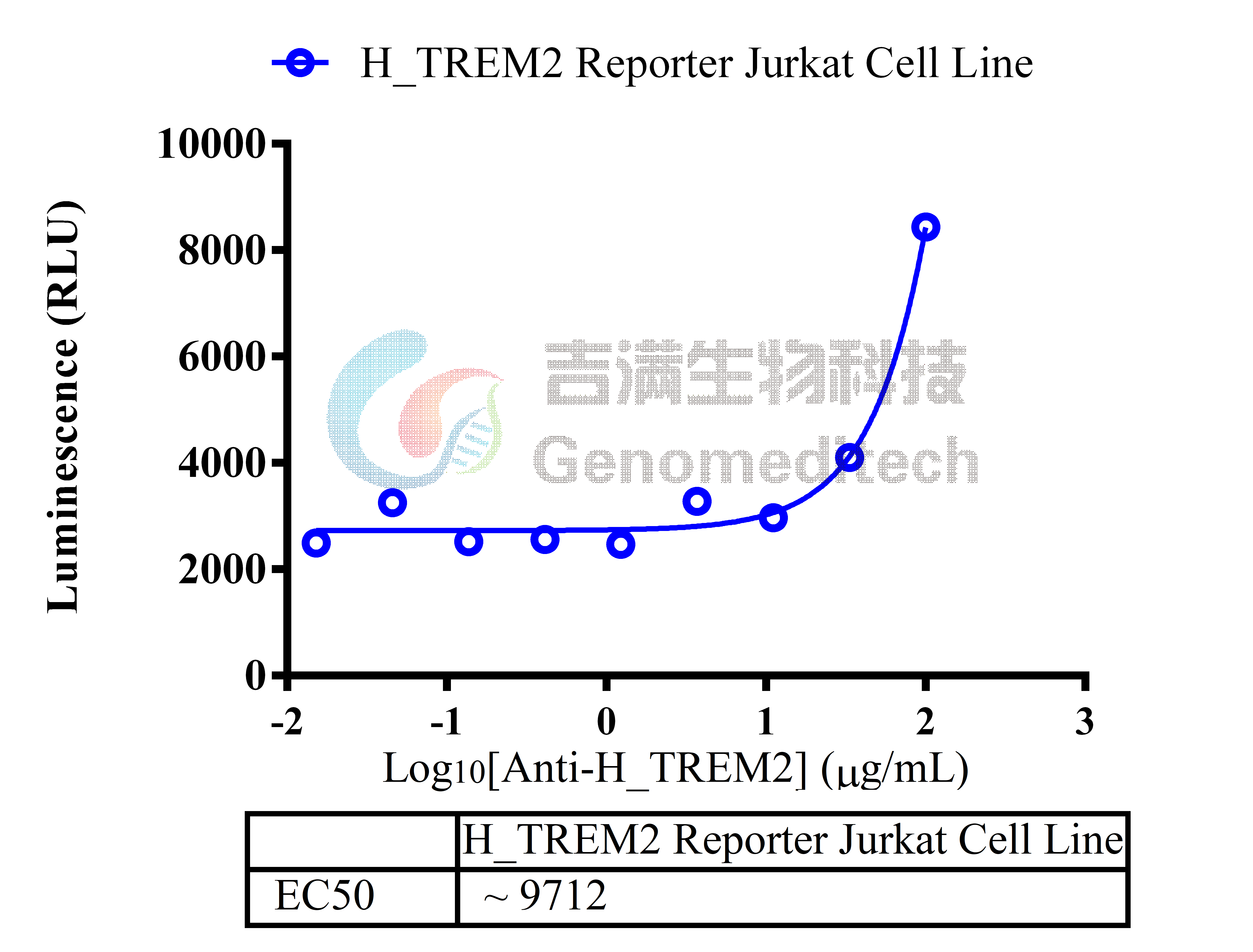
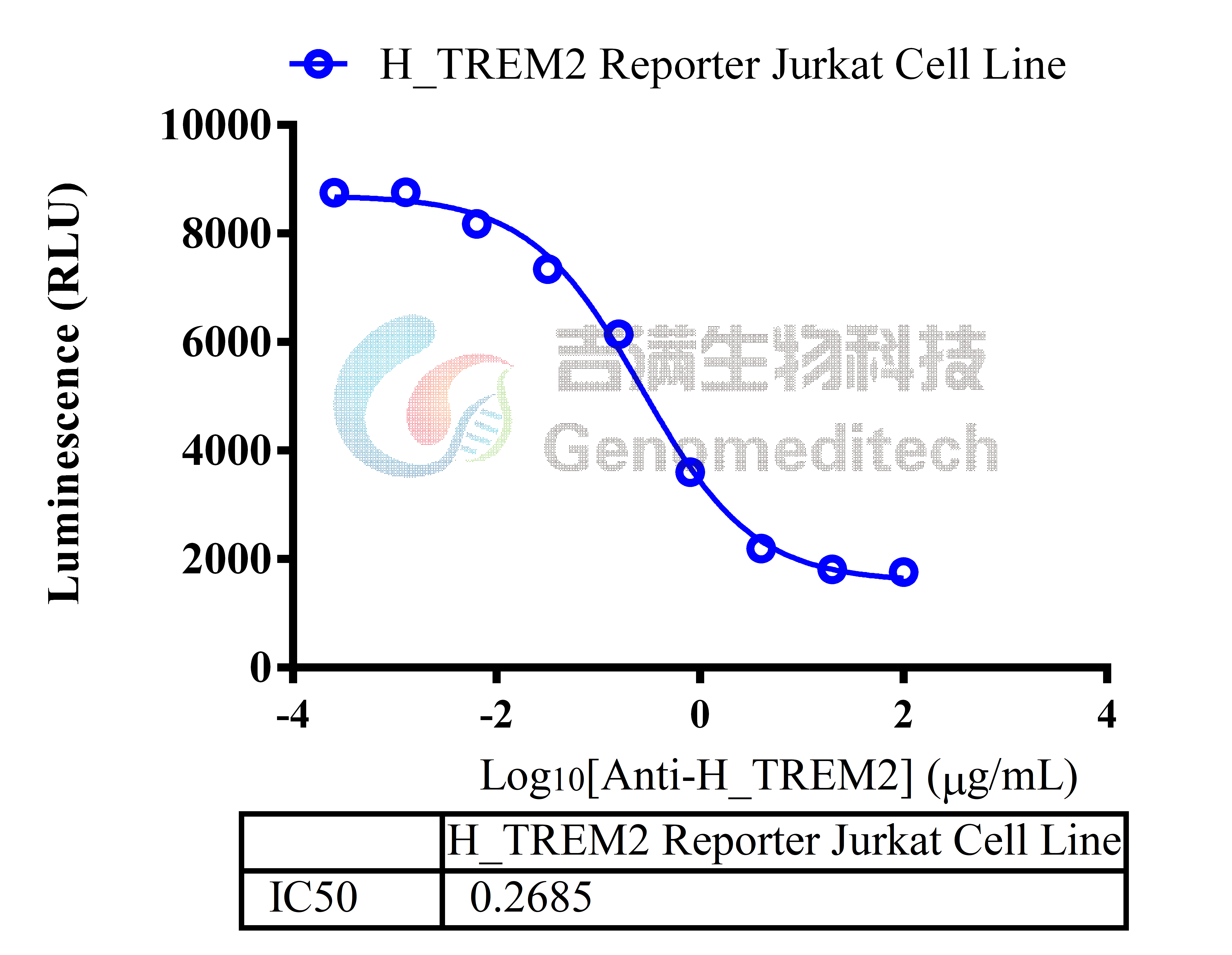
Block assay; Activation assay |
|
Specificity |
Detects TREM2. |
|
Gene |
TREM2 |
|
Other Names |
PLOSL2; TREM-2; Trem2a; Trem2b; Trem2c |
|
Gene ID |
54209 |
|
Background |
The triggering receptor expressed on myeloid cells 2 (TREM2) protein is an innate immune receptor that is expressed on the cell surface of microglia, macrophages, and immature dendritic cells. The TREM2 receptor is a single-pass type I membrane glycoprotein that consists of an extracellular immunoglobulin-like domain, a transmembrane domain, and a cytoplasmic tail. TREM2 interacts with the tyrosine kinase-binding protein DAP12 to form a receptor-signaling complex. In addition, amyloid plaque formation induces expression of TREM2 and amyloid phagocytosis. Loss-of-function mutations in the corresponding TREM2 or DAP12 genes can result in Nasu-Hakola disease, a rare form of progressive presenile dementia that results from polycystic osseous lesions. TREM2 membrane shedding occurs by cleavage at the extracellular site between H157/S158 generating an N-terminal shedded fragment and a membrane bound C-terminal fragment. The immunoglobulin-like ectodomain (ECD) of TREM2 binds various ligands, including lipids, and the AD variant R47H has reduced affinity for apolipoproteins (e.g., APOE) or lipid ligands, suggesting that the increased LOAD risk reflects a partial loss of function (LOF) in lipid recognition and/or lipid-induced signaling. |
|
Storage |
Store at 2-8℃ short term (1-2 weeks).Store at ≤ -20℃ long term.Avoid repeated freeze-thaw. |
|
Formulation |
Phosphate-buffered solution, pH 7.2. |
|
Endotoxin |
< 1 EU/mg, determined by LAL gel clotting assay
|